
A decade has passed since Francesca Johnson’s choice in Madison County. Her love affair with Robert Kincaid remains one of her most vibrant memories, but also one she locked away. Now, Francesca’s granddaughter, Lily, stumbles upon some of Robert’s unpublished letters hidden in the attic. The letters reveal aspects of his life and their connection that Francesca never shared — aching confessions, hopes for a future, and regret. Lily, stirred by this discovery, senses there’s more Francesca didn’t say — and more Robert might have meant to say.
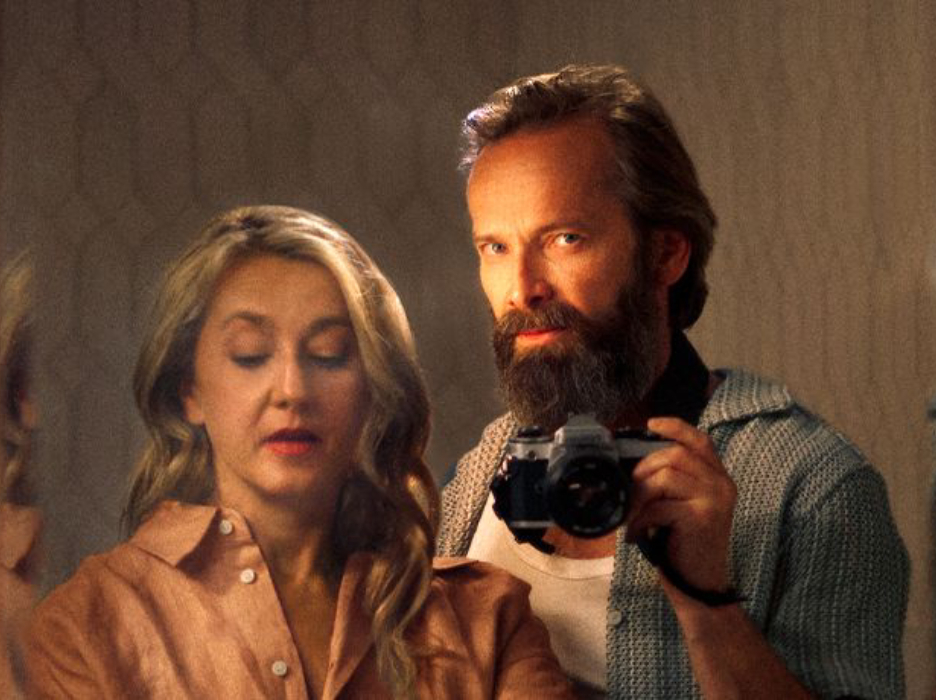
Driven by curiosity, Lily travels to Madison County to retrace Robert’s footsteps: from the old covered bridges to the farmhouses, the riverbanks, and the places Francesca described in her letters. Along the way she meets locals who remember Francesca and Robert — old friends, neighbors, even a barista who once played chess with Robert. These interactions deepen Lily’s understanding of the man who loved her grandmother, and of the woman Francesca was before love changed her forever.
As Lily learns more, she reflects on her own life: a promising photographer caught between duty to her family and a restless longing for something more, something true. While replicating Robert’s journey, Lily also navigates a complicated relationship of her own. She’s torn between stability (a steady job, family expectations) and following her heart toward someone unexpected, someone who challenges her to be more authentic — mirroring Francesca’s own turmoil.
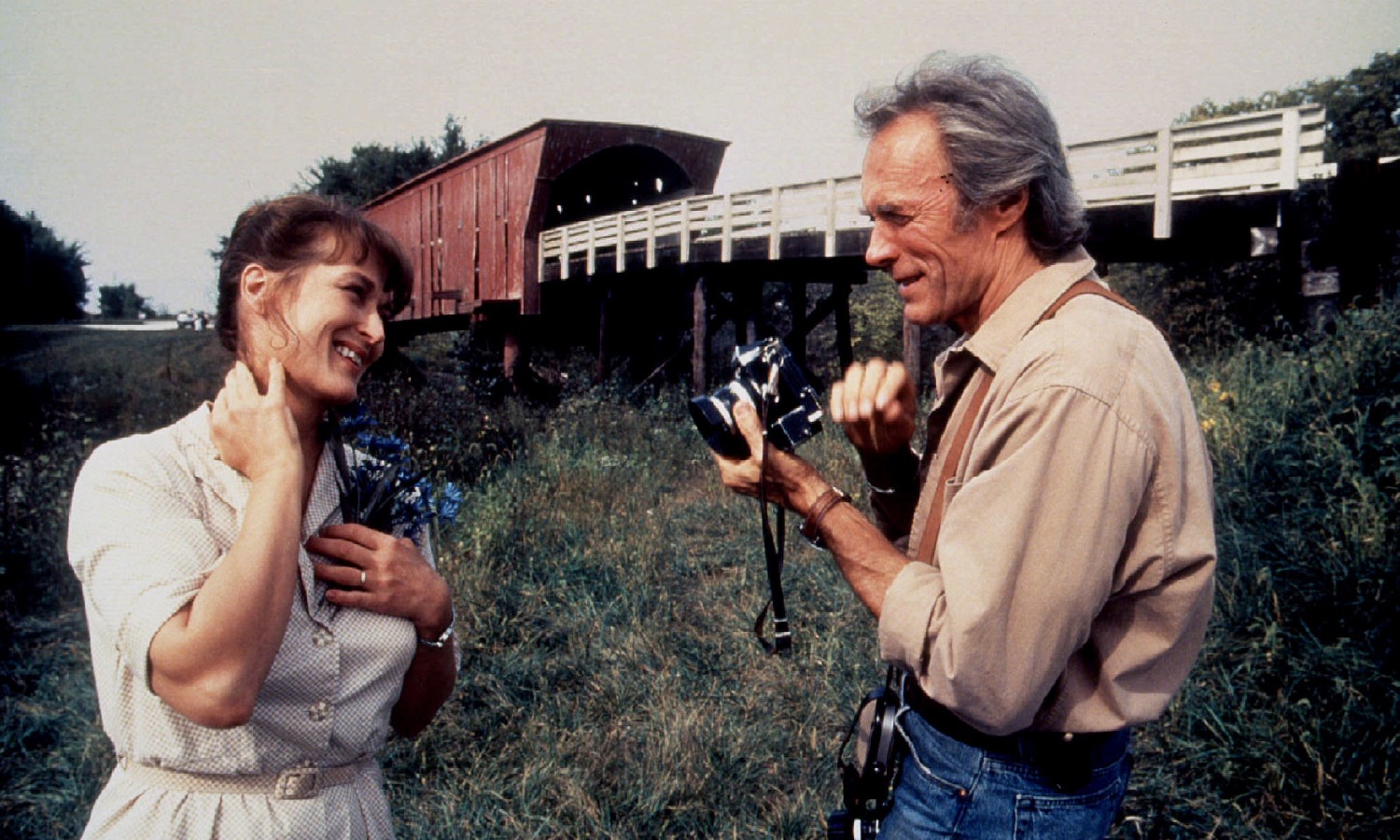
Through the unfolding narrative of letters and flashbacks, we see Francesca’s internal struggle: staying with her husband, caring for her children, or running off with the man she loves. We also glimpse Robert’s life after he left: how he kept hoping, how he wrote letters that Francesca never responded to. This dual perspective reveals not just what they chose, but what they sacrificed. Lily, seeing how love shaped their lives — and what they let go — must decide what she is willing to give up or fight for.

In the end, The Bridges of Madison County 2 isn’t about rewriting history, but honoring it. Lily returns home armed with truth and understanding. She confronts Francesca, and together they share a tender reconciliation: Francesca admits regrets, but insists she made the only possible choice for her life at that moment. Lily, empowered by what she’s learned, makes a choice of her own: to embrace love, even with its risks, and to build something beautiful from the past instead of living in its shadow. The film closes beneath a covered bridge, Lily placing some of Robert’s letters in his old spot by the water — a symbolic bridge between what was, what remains, and what might still be.